Wildland Fire Is a Public Health Crisis: Why Emergency Physicians Must Lead
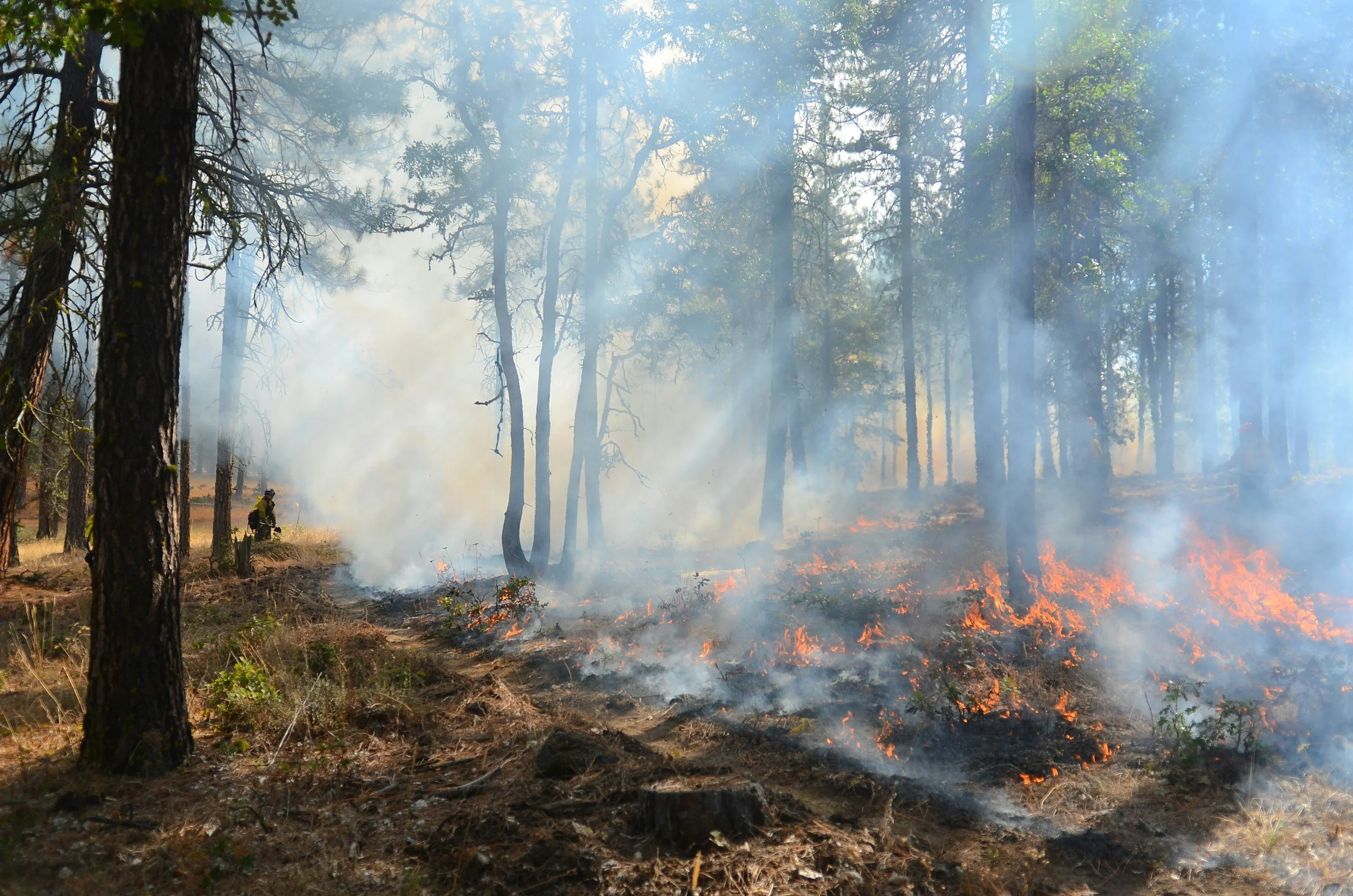
“Speech, tools, and fire are the tripod of culture and have been so, we think, from the beginning.” – Carl Sauer
introduction
Wildland fire has shaped the North American landscape for millennia. It supported ecological balance, sustained biodiversity, and formed a core pillar of Indigenous land management. Yet today, it has become synonymous with destruction and disaster. Fueled by climate change, poor land-use planning, and a century of fire suppression, modern wildfires have grown in frequency, scale, and severity—posing grave threats to public health, healthcare infrastructure, and the emergency medical system. As climate-driven firestorms reach deeper into populated areas and wildfire smoke becomes a seasonal fixture in urban emergency departments, emergency physicians can no longer view wildland fire as a rural or wilderness issue. It is now an urgent, multifactorial public health crisis—one that demands clinical readiness, policy engagement, and systemic advocacy.
A History of Fire Mismanagement
Long before the first federal fire agency existed, fire was used with intention and precision by Indigenous communities across what is now the United States. Through cultural burning—intentional, low-intensity fires guided by deep ecological knowledge—Native peoples maintained healthy forests, cultivated food systems, and reduced the likelihood of catastrophic fire. In California alone, precolonial fire regimes covered between 5.7 and 12.4 million acres annually [1] . Colonization ruptured this relationship. With European settlement came the demonization of fire, leading to a century of aggressive suppression policy. The 1910 “Big Blowup” catalyzed the creation of the U.S. Forest Service and the infamous “10 a.m. policy,” which mandated full fire containment by the next morning. This ideology, institutionalized by federal agencies, ignored fire’s ecological role and led to massive fuel accumulation, setting the stage for today’s megafires [2] . By the late 20th century, scientists like Komarek and land managers began advocating for the return of beneficial fire practices [3] . Yet despite mounting ecological evidence and growing recognition of Indigenous stewardship, systemic barriers—including legal restrictions, public opposition, and infrastructure sprawl—continue to inhibit the widespread reintegration of prescribed and cultural burning [4] .
Climate Change and the Expansion of Risk
We now live in the age of megafire. The effects of anthropogenic climate change—longer droughts, rising temperatures, earlier snowmelt, and erratic weather patterns—have extended fire seasons into full fire years. Historically temperate regions like the Pacific Northwest now experience record-breaking wildfires, while less fire-prone regions such as the Northeast, Southeast, and even Hawai‘i face increasing wildfire risk [5] . At the same time, the wildland-urban interface (WUI) has exploded. Since 1990, WUI development has increased by more than 33%, placing nearly one in three Americans in fire-prone zones and exposing over 46 million homes and $1.3 trillion in property to wildfire threats [6] . The collision of fire-prone ecosystems with sprawling human infrastructure has made fire a daily reality for urban emergency departments and rural critical access hospitals alike.
Air, Soil, and Public Health
Among the most pervasive and insidious impacts of wildfire is smoke. Wildfire smoke contains fine particulate matter (PM2.5), which penetrates deep into the lungs and crosses into the bloodstream, triggering systemic inflammation and oxidative stress. Even short-term exposure can cause surges in emergency department visits for asthma, COPD exacerbations, chest pain, myocardial infarction, arrhythmias, and stroke [7] . Vulnerable populations—including children, older adults, people with chronic disease, and the unhoused—are at greatest risk. These effects are not geographically limited. Smoke from Western U.S. wildfires has degraded air quality as far east as New York and Boston [8] . In many regions, wildfire smoke has surpassed industrial pollution as the leading contributor to poor air quality [9] . Fires also damage soil and water. Post-burn landscapes suffer from erosion, heavy metal runoff, and water contamination. Toxic ash can leach into aquifers and destabilize already-fragile ecosystems [10] . As a result, the downstream health effects of wildfires persist long after the last ember is extinguished.
The Psychological Toll and Community Trauma
The mental health impacts of wildfire are profound and persistent. Survivors of catastrophic fires experience elevated rates of depression, anxiety, PTSD, and suicidal ideation. The 2016 Fort McMurray fire in Alberta led to measurable increases in psychiatric illness among both adults and adolescents, with effects lasting more than 18 months [11] . Displacement, housing instability, loss of livelihood, and the destruction of community spaces compound this trauma. Emergency physicians are increasingly called upon to provide not just physical care, but also psychological first aid in overwhelmed, under-resourced settings.
EMS Systems Under Fire
EMS systems are stretched to their limits during wildfire events. The 2018 Camp Fire in California—the deadliest in the state’s history—saw EMS agencies overwhelmed, communications infrastructure collapse, and hospital systems forced into emergency evacuation. The 2023 Lahaina fire in Hawai‘i revealed the deadly consequences of inadequate EMS and evacuation planning in isolated communities [12] . EMS providers must operate in austere environments under extreme conditions. They perform triage, evacuation, coordination, and continuity of care while facing road closures, power outages, smoke, heat, and infrastructure collapse. For emergency physicians, especially those in EMS or rural roles, wildfire response now requires coordination with fire command, resource management under duress, and a growing knowledge of wilderness medicine.
The Wildland Firefighter Crisis
Wildland firefighters—many of whom are seasonal, underpaid, and lack federal job protections—endure immense physical and psychological burdens. Injury is nearly universal: over 85% report at least one injury per fire season, most commonly musculoskeletal trauma, burns, and chainsaw injuries [13] . Heat-related illnesses and rhabdomyolysis are constant threats, especially as temperatures rise and deployments lengthen [14] . Mental health concerns are equally dire. Rates of PTSD, depression, and suicide among wildland firefighters are alarmingly high, driven by occupational stress, isolation, and poor access to care [15] . As physicians, we must recognize and respond to the unique medical needs of this workforce—and advocate for their rights, safety, and support.
What Emergency Physicians Can Do
Emergency physicians must take an active role in preparing for and responding to wildland fire. This begins with clinical readiness. Hospitals in fire-prone areas should maintain protocols for surge conditions, stockpile respiratory medications and portable HEPA filters, ensure reliable air quality monitoring, and train staff in the recognition and management of smoke-related illnesses, heat injuries, and trauma [7,14] .
At the system level, EM physicians should collaborate with EMS, fire, public health, and emergency management agencies to develop integrated disaster plans. Community paramedicine programs—especially in rural or fire-prone regions—can support vulnerable patients by conducting wellness checks, distributing supplies, and maintaining continuity of care when traditional systems fail.
Physicians are also powerful advocates. We must support policies that reduce urban sprawl into fire zones, fund EMS and hospital preparedness, secure occupational protections for wildland firefighters, and address structural vulnerabilities in health access and housing. At the federal level, EM physicians should champion the inclusion of healthcare perspectives in wildfire planning and support legislation that funds exposure research and long-term monitoring.
Finally, emergency physicians must acknowledge and uplift Indigenous land stewardship. Cultural burning and traditional ecological knowledge offer sustainable, time-tested models for fire risk reduction. Although today’s forest settings are increasingly complex, these traditional methods should be reincorporated into a holistic management fire plan. Supporting Indigenous leadership in fire policy is not only ecologically sound, but also a step toward environmental justice and reconciliation [4] .
conclusion
Wildland fire is no longer a seasonal hazard on the periphery of emergency medicine. It is a pervasive, complex, and intensifying public health crisis. From smoke-choked cities to overrun emergency departments, from traumatized communities to exhausted EMS crews, the effects of fire are now central to our clinical landscape. Emergency medicine must rise to this challenge. By integrating environmental literacy, disaster medicine, and public health advocacy into our practice, we can help lead the response to this growing threat. The age of megafire is here. Let us meet it with clarity, compassion, and collective action.
AUTHOR: Brian Drury , MD, MEd is a former graduate of Brown Emergency Medicine Residency. He is currently an EMS Fellow at Oregon Health & Science University. He also practices as an emergency physician in rural Oregon. A former wildland firefighter, his clinical and research interests lie at the intersection of wilderness medicine, EMS, public health, and climate change.
FACULTY REVIEWER: Heather Rybasack-Smith, MD, MPH is a current Associate Professor and Clinician Educator of Emergency Medicine at Brown Emergency Medicine. Her areas of expertise include EMS, Disaster Preparedness and Response, and Wilderness Medicine.
references
1. Anderson MK. Tending the Wild: Native American Knowledge and the Management of California’s Natural Resources. 2005.
2. Pyne SJ. Fire in America: A Cultural History of Wildland and Rural Fire. Princeton University Press, 1982.
3. Komarek EV. “Lightning and fire ecology in the Southeast.” 1968.
4. Kimmerer RW & Lake FK. “The role of Indigenous burning in land stewardship.” J For. 2001;99(11):36–41.
5. Parks SA & Abatzoglou JT. “Increasing fire severity in Western U.S.” 2020.
6. Radeloff VC et al. “Rapid growth of the U.S. wildland-urban interface.” PNAS. 2018;115(13):3314–3319.
7. Reid CE et al. “Critical review of health impacts of wildfire smoke exposure.” Environ Health Perspect. 2016;124(9):1334–1343.
8. Zhang H et al. “Smoke transport and air quality degradation during 2020 fire season.” Atmospheric Chemistry and Physics. 2021.
9. Burke M et al. “The growing threat of wildfire smoke to air quality.” Nature Sustainability. 2023.
10. Sankey JB et al. “Wildfire and watershed hydrology.” Ecohydrology. 2017.
11. Agyapong VIO et al. “Mental health impact of Fort McMurray wildfire.” Int J Ment Health Syst. 2020.
12. U.S. Fire Administration. 2023 Wildfire Impact Summary. Department of Homeland Security; 2023.
13. Purchio TJ. “Occupational injury patterns in wildland fire crews.” 2017. CDC. “Heat illness in wildland firefighters.” MMWR. 2023.
14. National Federation of Federal Employees. Wildland Firefighter