…early complications include pericardial effusion or tamponade and can occur due to trauma to the thin-walled left atrial or appendage tissue during transseptal access and device manipulation…
Read More…early complications include pericardial effusion or tamponade and can occur due to trauma to the thin-walled left atrial or appendage tissue during transseptal access and device manipulation…
Read MoreCatatonia is a syndrome that consists of motor and behavioral signs and symptoms in the setting of neurochemical insult. It can be seen with psychiatric, neuromedical, and substance induced conditions. Though the prevalence of catatonia among the general pediatric population has not been established, it is estimated to be between 0.6% and 17% among child and adolescent psychiatric inpatients [1]. Pediatric patients with catatonia are mostly likely to have a primary diagnosis of psychotic disorder (18.3%) or a neurologic, developmental, and inflammatory illness, such as autoimmune and infectious processes (11.8%) [2]. In comparison, adult patients have a higher proportion of underlying mood disorders, especially bipolar disorder [4].
Read MoreSCFE is a pediatric condition in which the femoral epiphysis (what will later become the femoral head) “slips” from its location on the growth plate. The direction of slipping is most often posteriorly and inferiorly in relation to the growth plate, also called the femoral physis, and the metaphysis. The slipped appearance on x-ray is often compared to a scoop of ice cream sliding off a cone.
Read MoreThe patient is a 61 year old male with a past medical history notable for hypertension, who presented for evaluation after a syncopal episode. The patient reported ongoing headaches for the past two days that persisted despite over the counter medications. The headache was not sudden onset or thunderclap. He denied numbness, weakness or visual changes. He also had a poor appetite. The patient denied trauma or head injury and was not on anticoagulation medication.
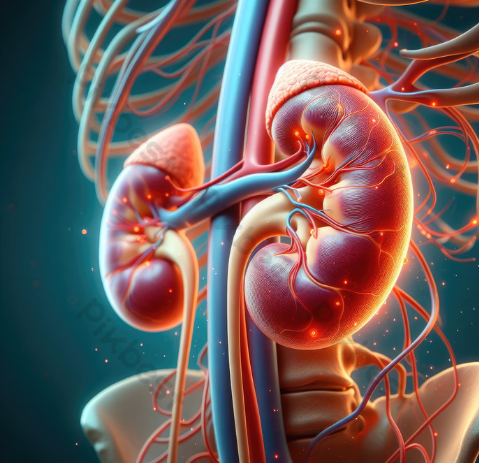
Read MorePearls and pitfalls: Scan in BOTH longitudinal and transverse planes. To avoid rib shadows, oblique the probe to align with the rib space rather than holding the probe straight up and down. Slowly fan through the kidney in its entirety to evaluate for hydronephrosis and for the presence of a kidney stone…
Read More