Posts in Community EM
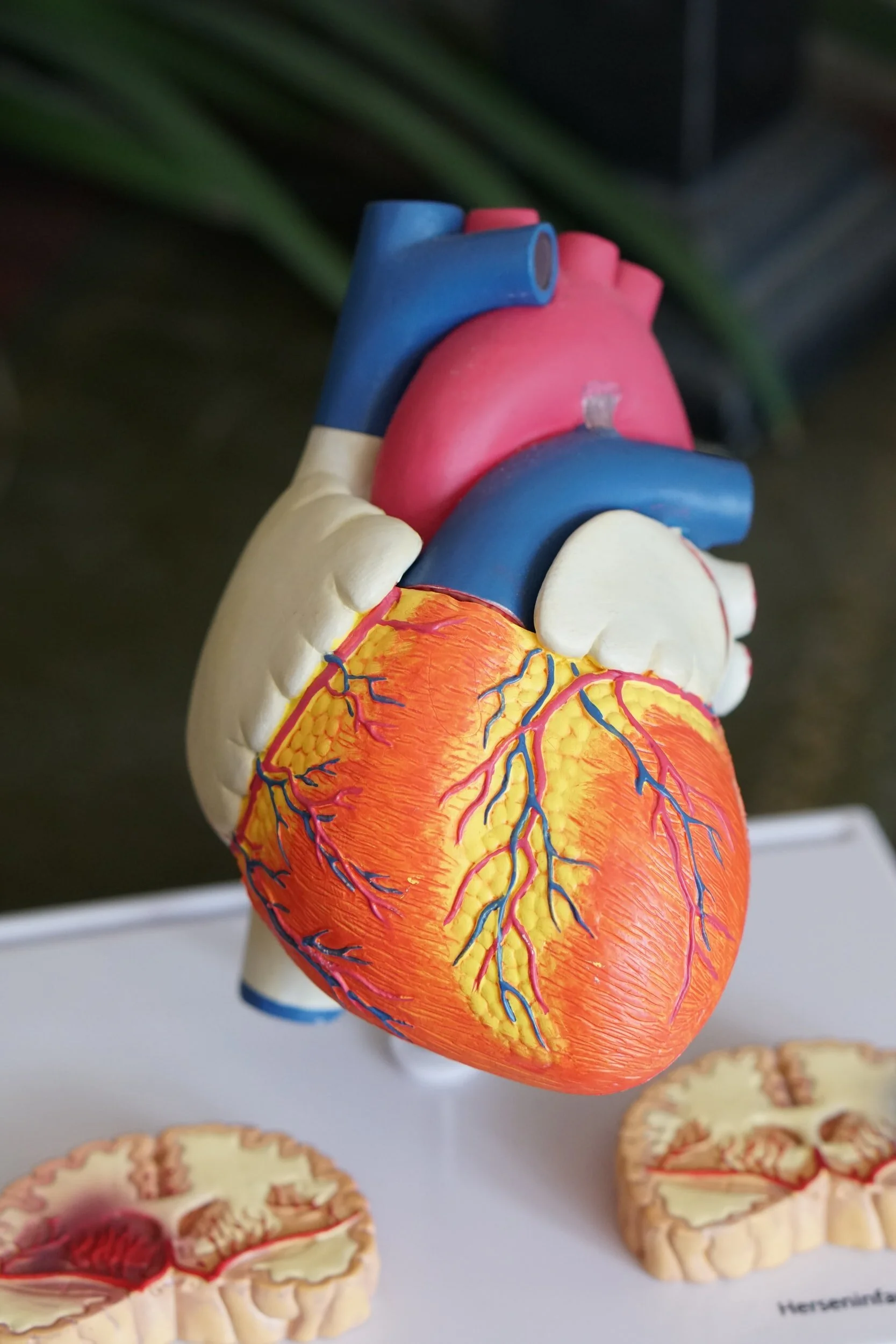
An Uncommon Cause of Shortness of Breath in the Emergency department: Acute Mitral Regurgitation

By: Russell Prichard MD and Melanie Lippman MD

CASE

The patient is a 52 year-old female with a past medical history of hypertension, hyperlipidemia, hypothyroidism, and a 2 pack a day smoking history who presented to the emergency department in respiratory distress.

When EMS arrived to the patient’s home, she was hypoxemic with a pulse oximetry reading of 70s on room air and hypotensive with systolic blood pressures in the 80s. She was placed on nasal cannula with improvement in her saturations and she was given aspirin, fentanyl, and nitroglycerin without relief.

Upon arrival her vitals were significant for respiratory rate of 34, pulse oximetry of 98% on 6L NC. She was noted to be in acute distress.

The patient was placed on positive pressure ventilation via BiPAP and broad blood work, chest X-ray and electrocardiogram (ECG) were obtained.

Read More
Herpes Encephalitis

A 70 year-old male, with a past medical history of hypertension, gastroesophageal reflux disease, chronic lymphocytic leukemia on Ibrutinib, and coronary artery disease, presented with right hand weakness since waking that morning. He reported that he felt the strength of his grip was not at baseline, and his wife also noted that, while eating breakfast, the patient dropped his bagel, a dish towel, and his utensils. His last known well was 10:00 PM the night before, although he also endorsed two weeks of persistent right hand numbness and burning paresthesias in his right hand. He denied headache, fever/chills, chest/back/abdominal pain, nausea/vomiting, urinary symptoms, or diarrhea, as well as any visual symptoms, speech changes, or gait problems…

Read More
Brown Sound: Ultrasound Diagnosis of Ectopic Pregnancy

A 36 year-old female presented with the acute onset of abdominal pain and sweating. She had taken multiple home pregnancy tests, all of which were positive, and then experienced a bout of severe dizziness. On physical exam, she was very pale, and had a flat, but tender abdomen. Soon after arrival, the patient became unresponsive, but was still breathing with rapid pulses. She was placed in reverse trendelenburg, and multiple attempts were made to get an automated blood pressure reading with no luck. Finally, a manual blood pressure of 70/58 was obtained. Fluid resuscitation was initiated and bedside ultrasound was performed…

Read More
TIPS for Managing the Acutely Agitated Patient

Emergency medicine practitioners commonly care for acutely violent or agitated patients, some of whom may be psychotic, intoxicated, or affected by another pathology. Consequently, medical personnel are more likely to experience work-place violence than police officers or prison guards, with a full 100% of ED staff experiencing verbal violence, and 35-80% reporting a history of physical violence while at work. While it is critical to initiate a work-up to diagnose the underlying cause of a patient’s behavioral dysregulation, it is of primary importance to control the patient’s behavior both for their safety and the safety of the patient’s caregivers…

Read More
“To Do or Not to Do an Emergency Department (ED) Resuscitative Thoracotomy”: Alternatives to ED Thoracotomy at Non-Trauma Centers

While resuscitative thoracotomy and REBOA are often viewed as heroic procedures, both carry an exorbitant amount of mortality and morbidity, and few centers around the country are able to competently offer these options. It seems appropriate to consider alternatives, especially with the emergence of bedside ultrasound and its increasing applicability in the emergency setting. PEAC or US-guided PEAC may be more feasible, performable by mostly untrained staff, and may temporize bleeding to permit transfer to definitive care.

Read More