The patient is a 33-year-old female with a medical history of ADHD and depression presenting with altered mental status. Per emergency medical services (EMS), the patient’s friend called for an episode of unresponsiveness. The patient’s ability to provide history is limited, but the friend reported that shortly prior to this event, the patient ingested a “pill” which he believed to be alprazolam (a medication she is prescribed). While awaiting evaluation, the patient had witnessed seizure-like activity in the waiting room, lasting approximately 30 seconds and was brought to a critical care room.
Read MoreThis patient is a 57 year old female who had no known medical history who presented to the emergency department for visual disturbances…
Read MoreTraumatic fingertip amputations are among the most frequently encountered hand injuries in the emergency department, particularly affecting individuals engaged in manual labor using hand tools with metal blades. A review of data from the National Electronic Injury Surveillance System from 1997 to 2016 showed that 464,026 patients sustained a finger amputation in the US, with an estimated yearly incidence of 7.5/100,000 person-years…
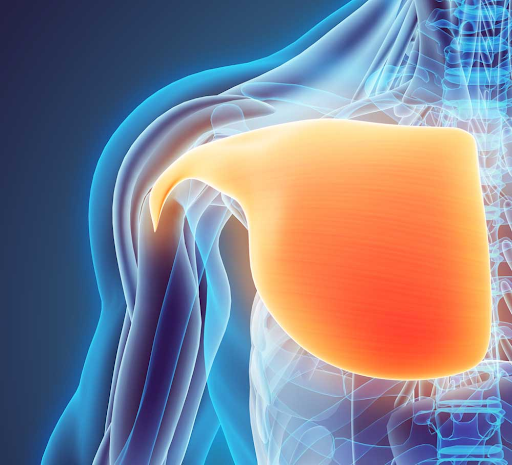
Read MoreA 40-year-old male with a past medical history of ulcerative colitis, anxiety, and depression presented to the emergency room with pain and swelling to the right pectoralis area for two days…
Read MorePoint-of-Care Ultrasound (POCUS) is a diagnostic imaging technique often used at the bedside in a variety of settings including emergency care, cardiology, intensive care, anesthesiology and obstetrics among others. Alongside the rapid evolution of machine learning (ML) and deep learning (DL) algorithms in the health informatics space, “intelligent” POCUS systems are concurrently transforming. From guiding novice trainees to automating clinical calculations, these algorithms are making ultrasound faster, more accurate, and more accessible…
Read More